Showcasing flight-proven CCA technologies, a European mission system, and early industry engagement for a near-term European CCA model.
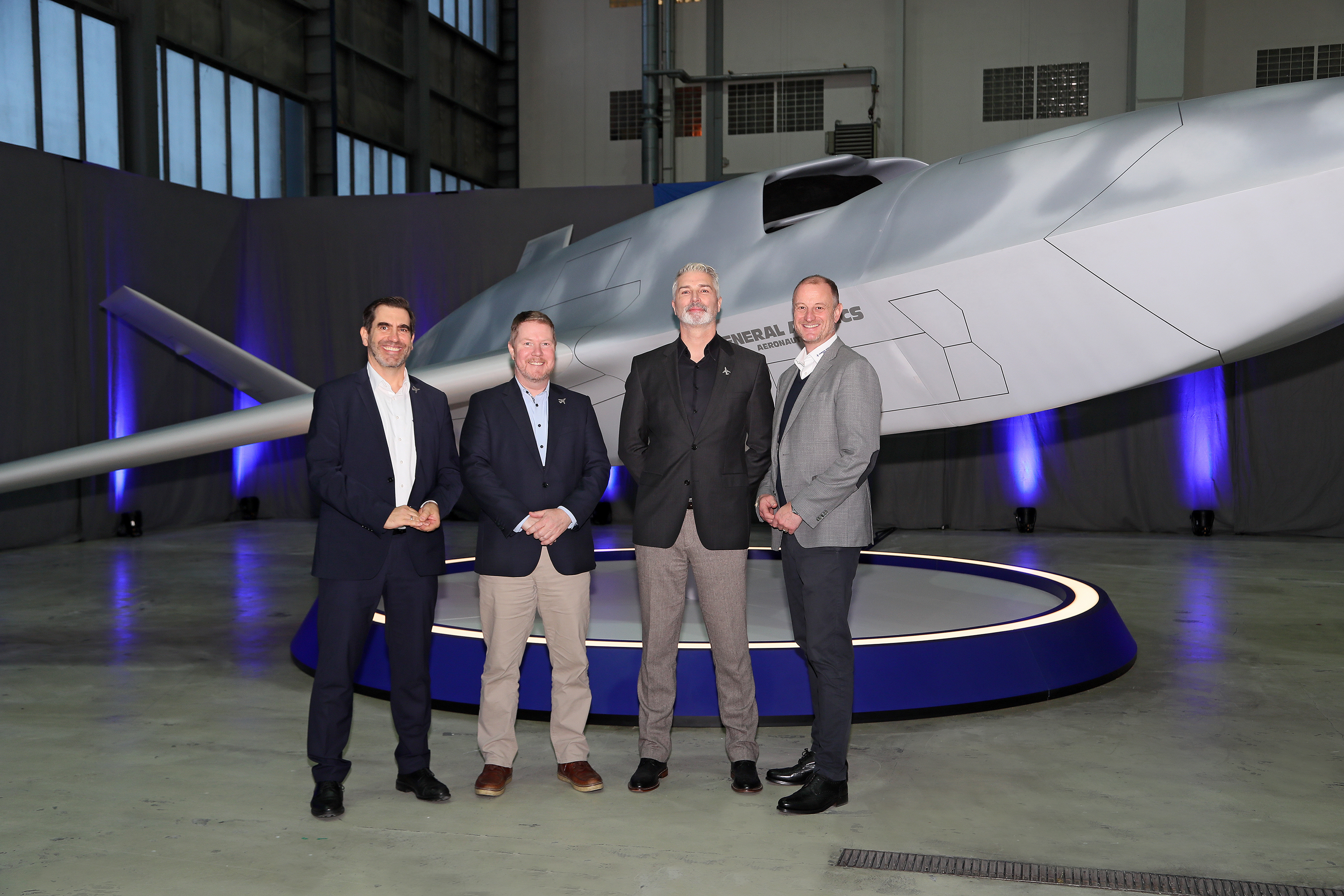
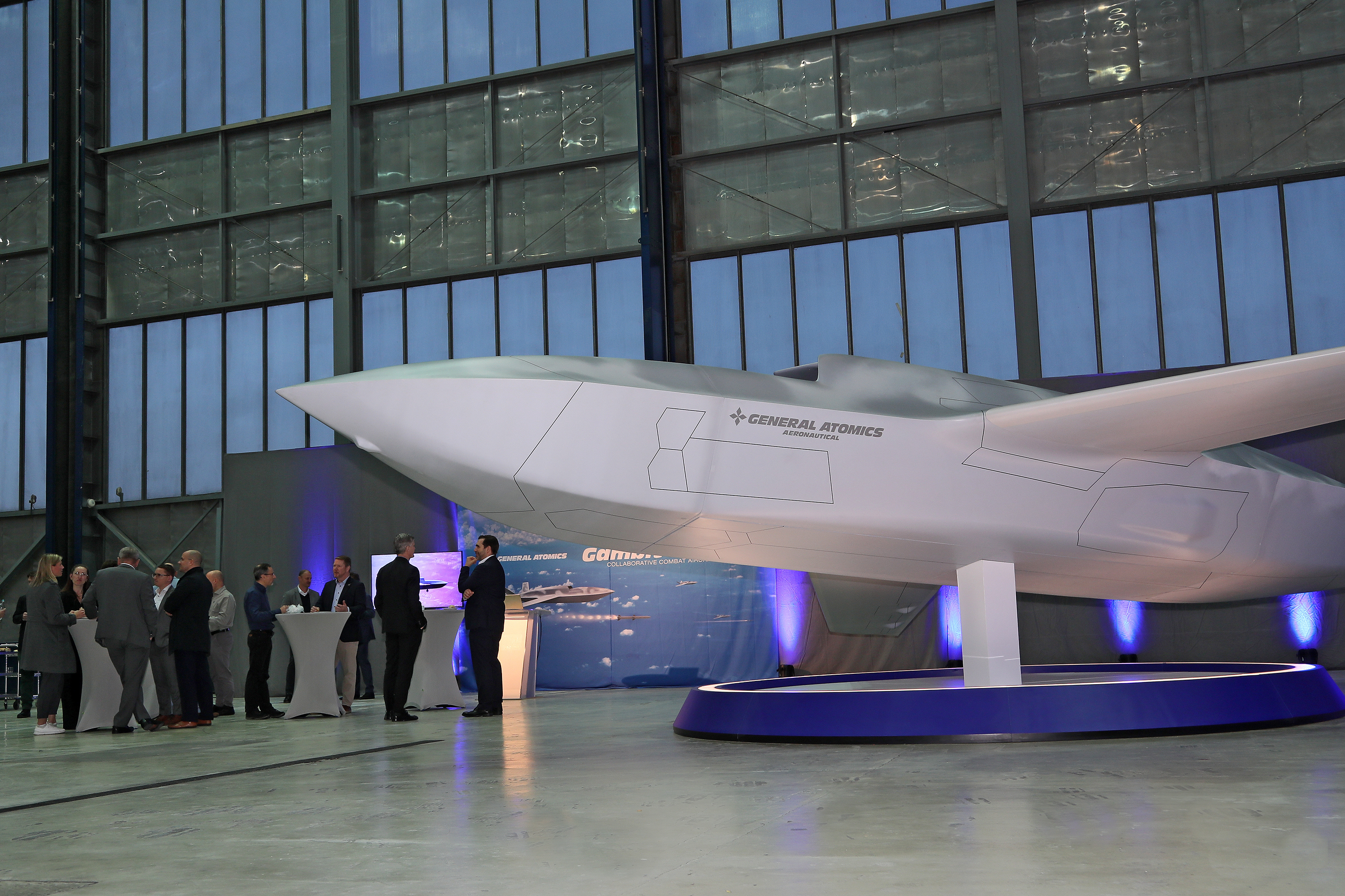
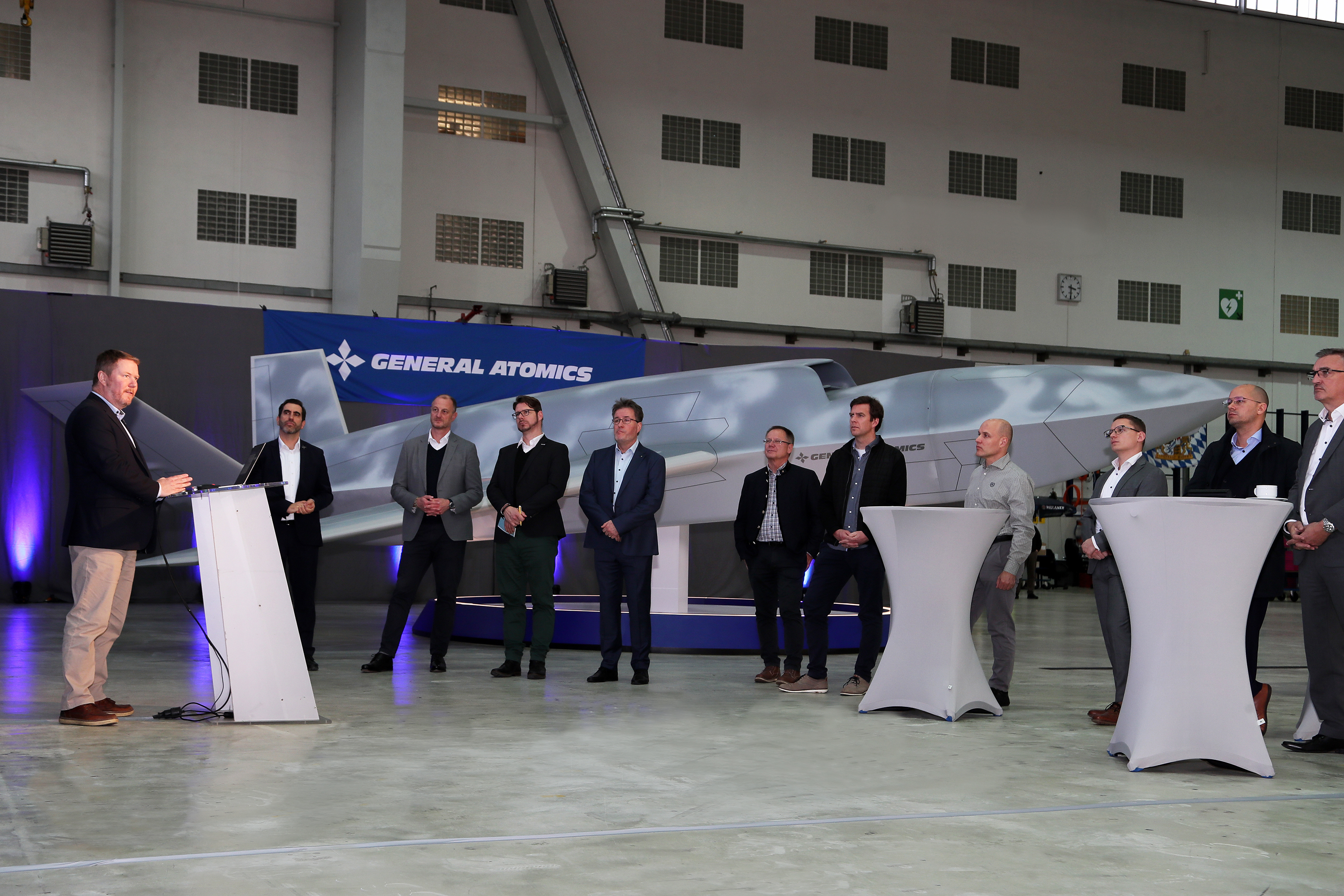
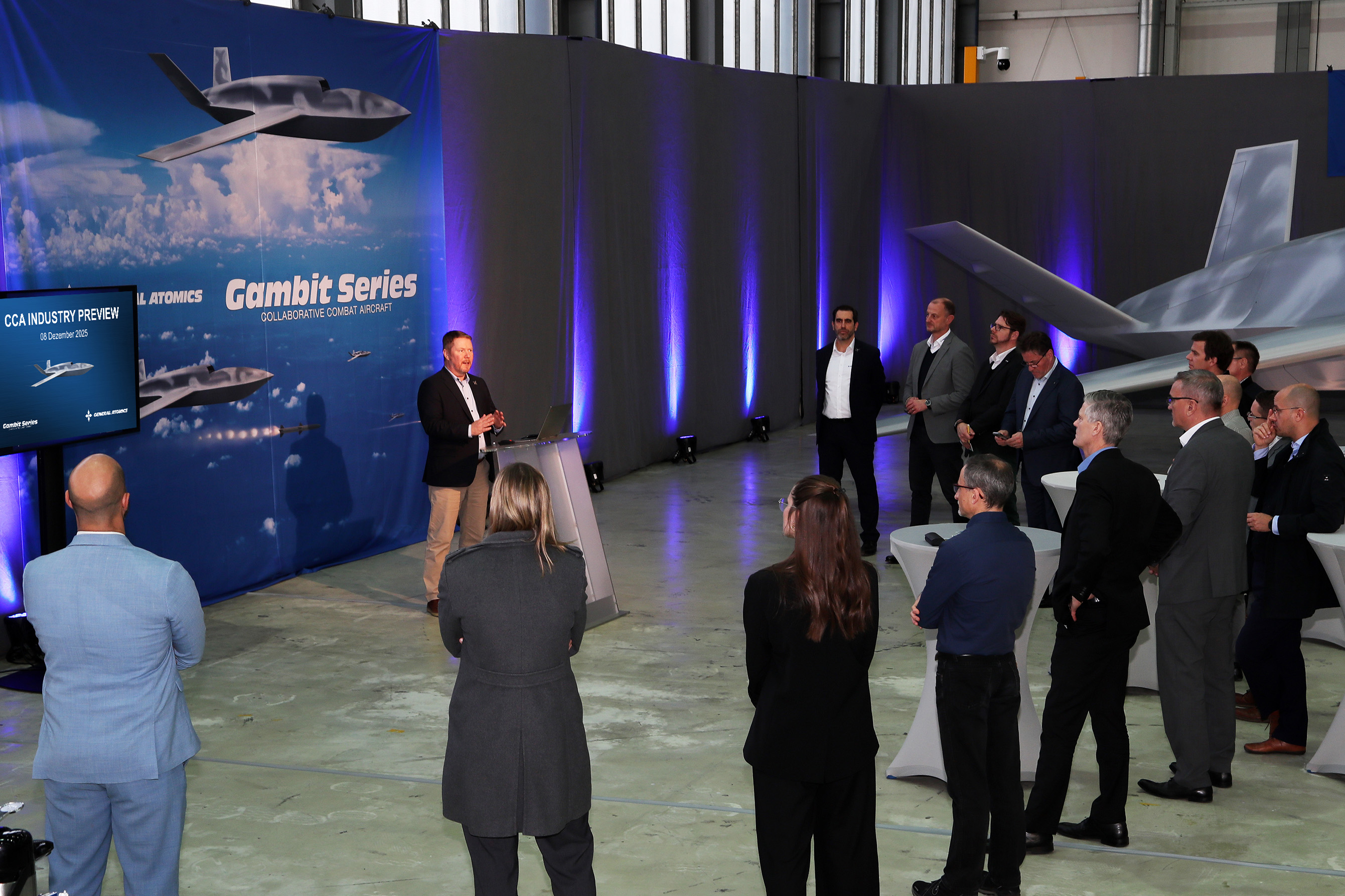
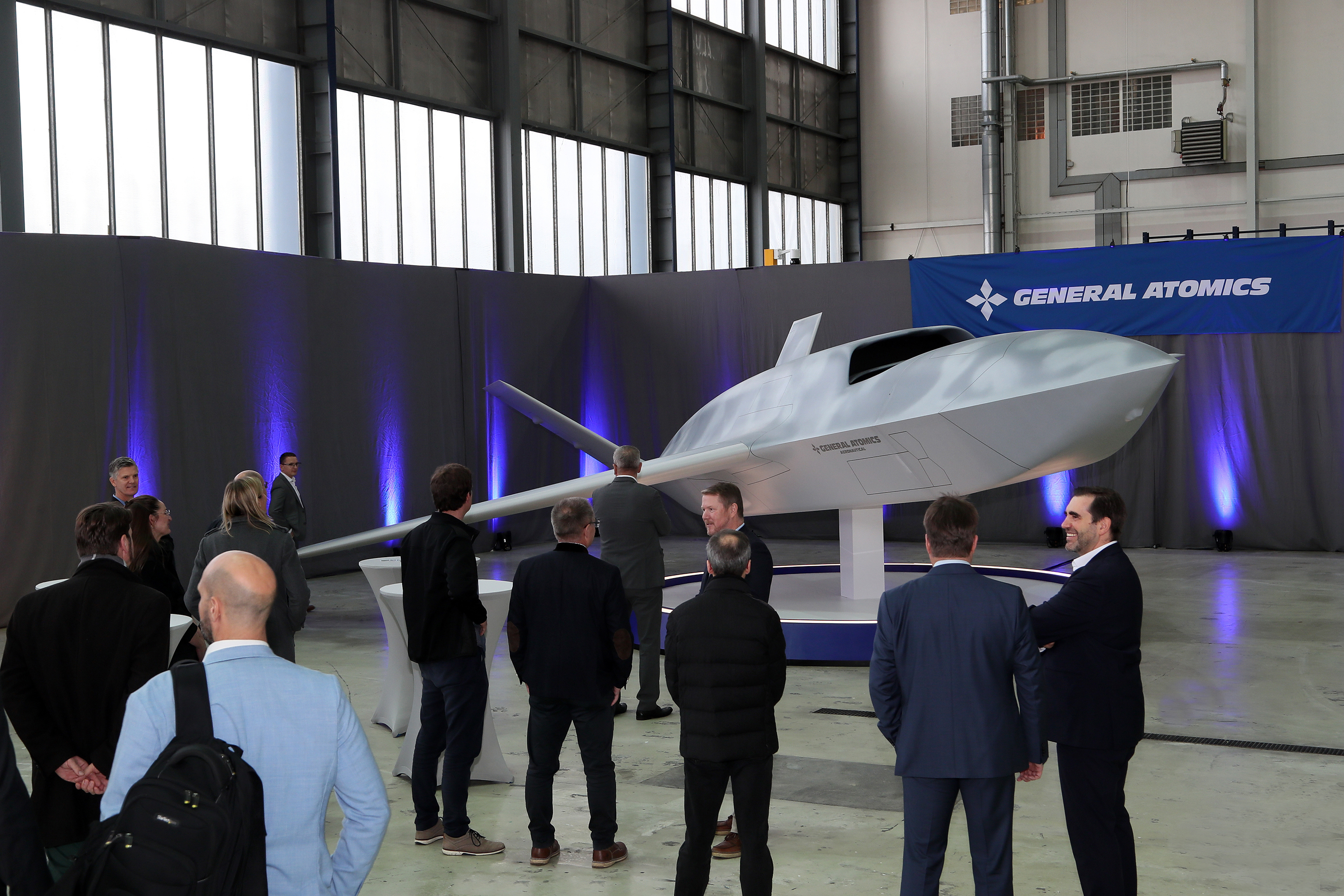
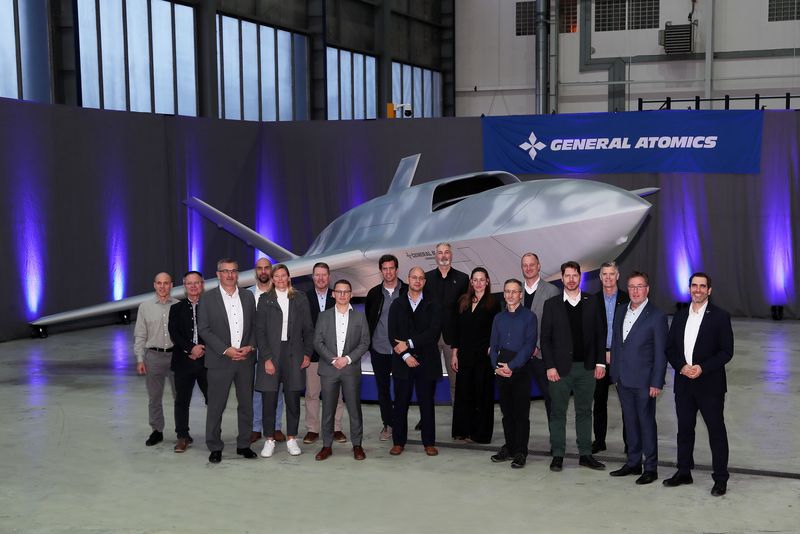
General Atomics Europe (GA-Europe) and General Atomics Aeronautical Systems, Inc. (GA-ASI) presented their concept for a European variant of the Gambit-series unmanned combat aircraft during an industry preview at the Oberpfaffenhofen Special Airport. The concept combines a flight-proven GA-ASI platform with a European mission system, providing a realistic and low-risk technological path toward delivering unmanned combat air capabilities for European armed forces.
Representatives from leading German and European defense companies – including firms specializing in sensors, artificial intelligence, mission systems, software, datalinks, and systems integration – received an initial briefing on system architecture, integration pathways, and potential industrial contributions to a European Collaborative Combat Aircraft (CCA). The growing demand across Europe for scalable, interoperable, and mission-ready CCA/UCAV systems formed the strategic backdrop for the event.
Under the U.S. Air Force’s Collaborative Combat Aircraft Program Increment 1, GA-ASI developed an initial derivative of the Gambit series that is already undergoing flight testing under the designation YFQ-42A. Featuring a low-observable profile and an internal weapons bay, the semi-autonomous platform is predestinated for both air-to-air and air-to-ground missions. Its autonomy core has been trained for more than five years using GA-ASI’s jet-powered MQ-20 Avenger, giving the system a significant operational head start and a high level of maturity within its class.
Another focus of the preview was the integration potential at Oberpfaffenhofen, home to General Atomics AeroTec Systems. The site’s infrastructure and extensive experience in aircraft modification, integration, and testing make it well-suited for the complex technical work required in a European CCA program.
“Real threats must be met with real capabilities. Our approach to a European CCA is therefore deliberately pragmatic to meet urgent operational timelines: We combine proven technologies that we have already demonstrated in flight with a European mission system, providing a low-risk, transatlantic path to advanced CCA capabilities,” said Linden P. Blue, CEO of General Atomics Aeronautical Systems.
“Oberpfaffenhofen offers the technical depth and aviation expertise required for sophisticated integration and adaptation work. Early engagement with European industry is a key step toward structuring potential contributions and laying the groundwork for future cooperation,” said Harald Robl, CEO of General Atomics Europe.
GA-Europe and GA-ASI will continue their technical dialogue with industrial and governmental partners over the coming months. Additional technical workshops and bilateral meetings are planned.